Start the Conversation
About

I Didn’t Choose the Name. The Young People Did.


I’m Nikesha Tilton, known to many simply as The Circle Lady™.

The name was not created for a business or dreamed up as a brand. It came from young people who experienced the power of restorative circles and began asking for them on their own.

What started as a nickname became a body of work rooted in a simple belief: relationships matter, and how we respond when those relationships are tested matters even more.

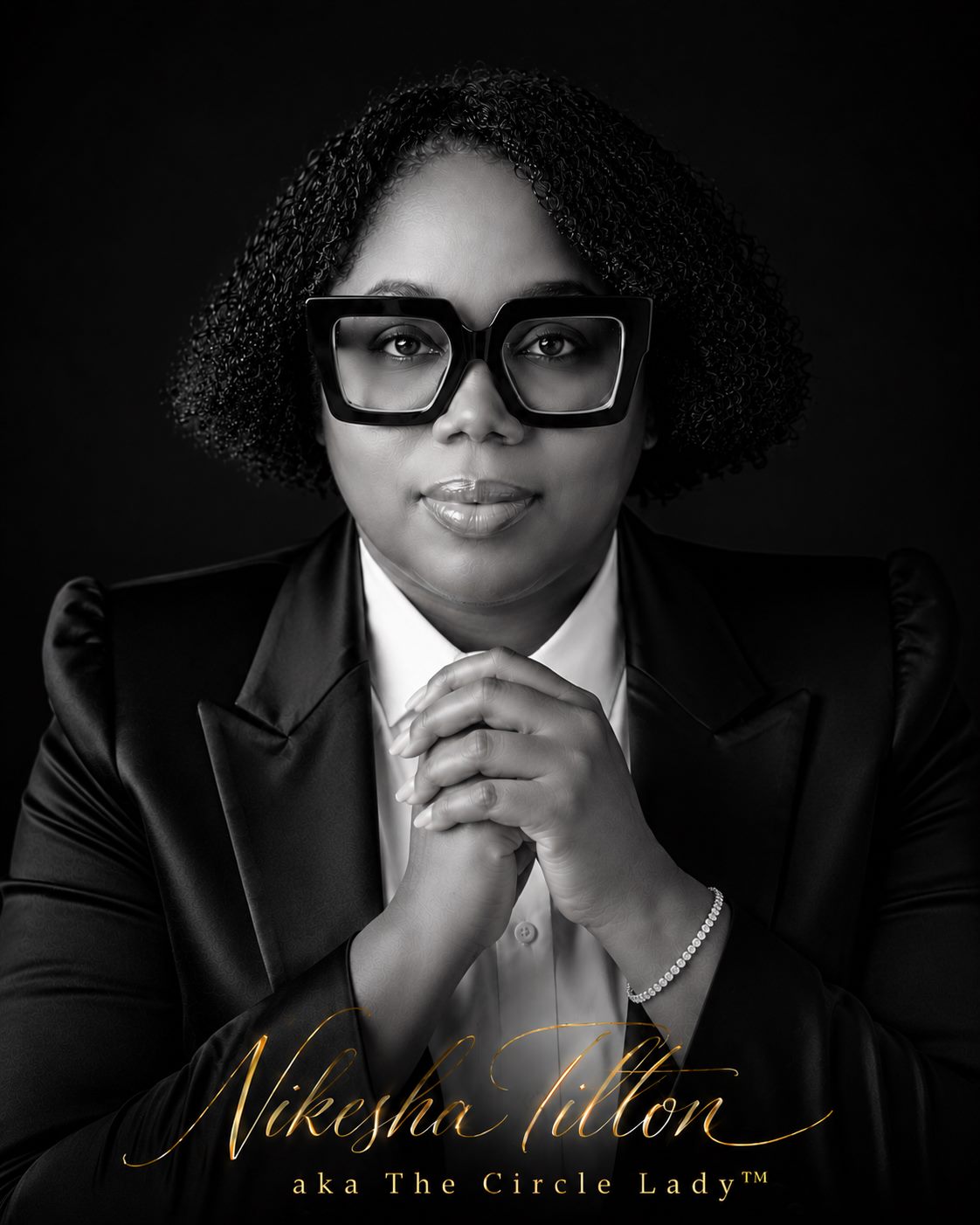
Black and white portrait of Nikesha Tilton, hands clasped, signed Nikesha Tilton aka The Circle Lady
The Story Behind The Circle Lady™

“Call The Circle Lady™.”

Years ago, while facilitating restorative circles with students, I began noticing something important. The young people were no longer participating simply because an adult told them to. They were beginning to recognize when they needed the process for themselves.

When conflict started brewing, students would go to counselors, teachers, and administrators and say: “Call The Circle Lady™.”

Some asked for a circle before an argument became a fight. Others requested one when they knew a relationship needed attention.

They had experienced a space where they could speak honestly, hear one another, address what happened, and determine how to move forward.

They were not simply complying with a restorative practice. They were choosing it.

That is when the name became something more.

The name became a brand because the young people first made it a practice.
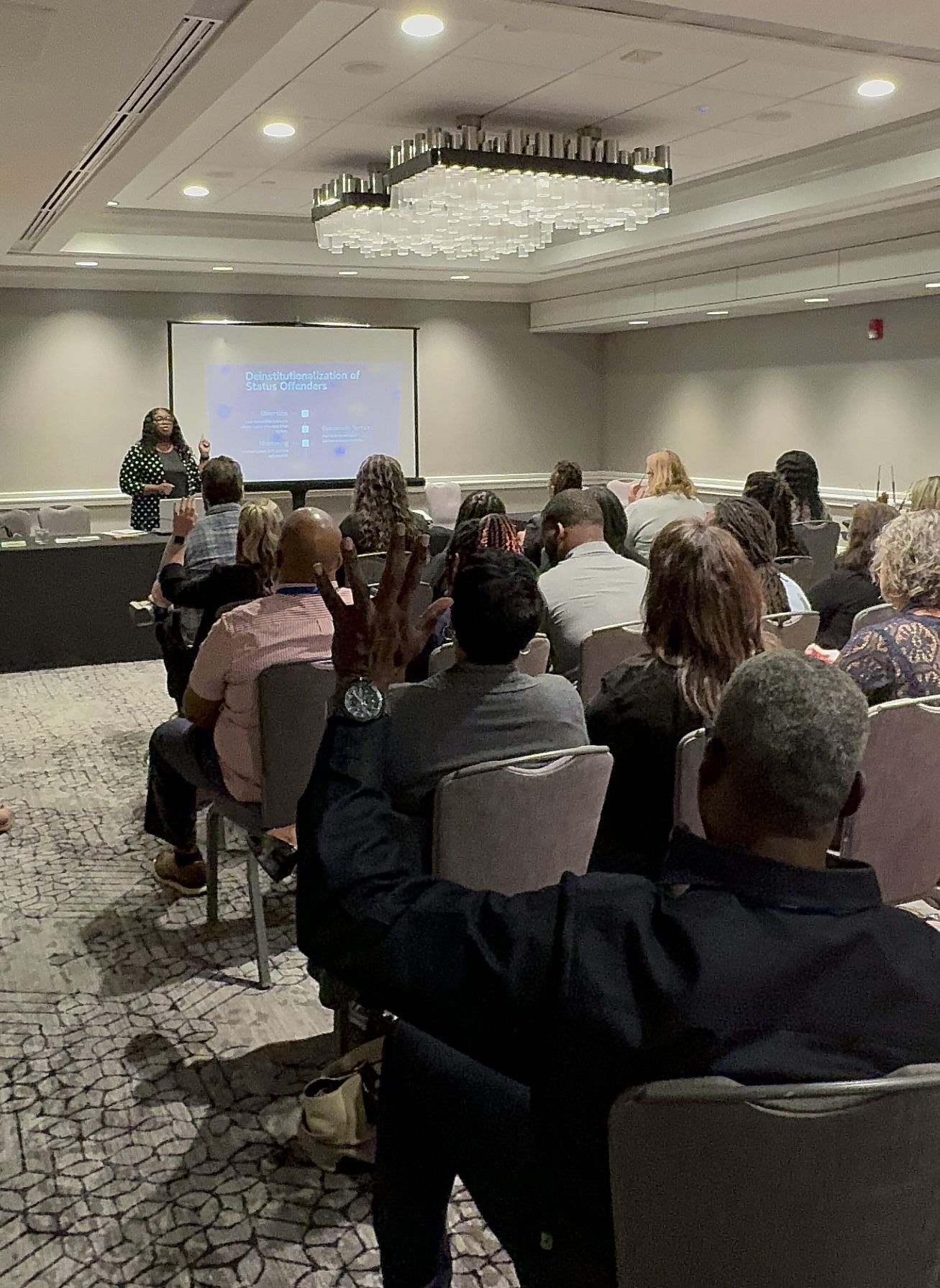
Nikesha Tilton presenting at the front of a conference room while participants listen and raise their hands
What Restorative Practice Means to Me

More Than a Method. It’s How I See People.

Restorative practice is not something I use only after conflict or harm has occurred. It is a way of building relationships, creating community, navigating difficult moments, and giving people meaningful opportunities to participate in what happens next.

It requires us to take relationships seriously enough to listen, tell the truth, address harm, hold people accountable, and still recognize the dignity of everyone involved.

Relationships before rules.

Accountability without humiliation.

People need voice in what happens next.

Restorative does not mean avoiding difficult conversations or lowering expectations. It means creating the conditions to address what is difficult with greater honesty, responsibility, and humanity.

Restorative Practice, Restorative Justice, and Circles

Circles are a tool. Restorative justice is an application. Restorative practice is the larger way of building community.

These terms are often used interchangeably, but I see them differently.

Circles are one way of bringing people together for connection, dialogue, problem-solving, accountability, or repair.

Restorative justice becomes particularly relevant when harm has occurred and asks us to consider what happened, who was affected, what responsibility needs to be taken, and what repair may be possible.

Restorative practice is broader. It includes what we do before harm occurs: how we build trust, strengthen relationships, develop community, navigate conflict, and create cultures where people are equipped to work through challenges together.

The Work Today

The settings have changed, but the human work has not.

The work that began with young people now extends across classrooms, courts, organizations, government agencies, communities, leadership spaces, and violence prevention efforts.

I still enter spaces where people need to communicate more honestly, navigate conflict, strengthen trust, address harm, or determine how to move forward together.

What changes is the process.
What remains constant is the commitment to relationships, accountability, dignity, and meaningful participation.

The process must fit the people.

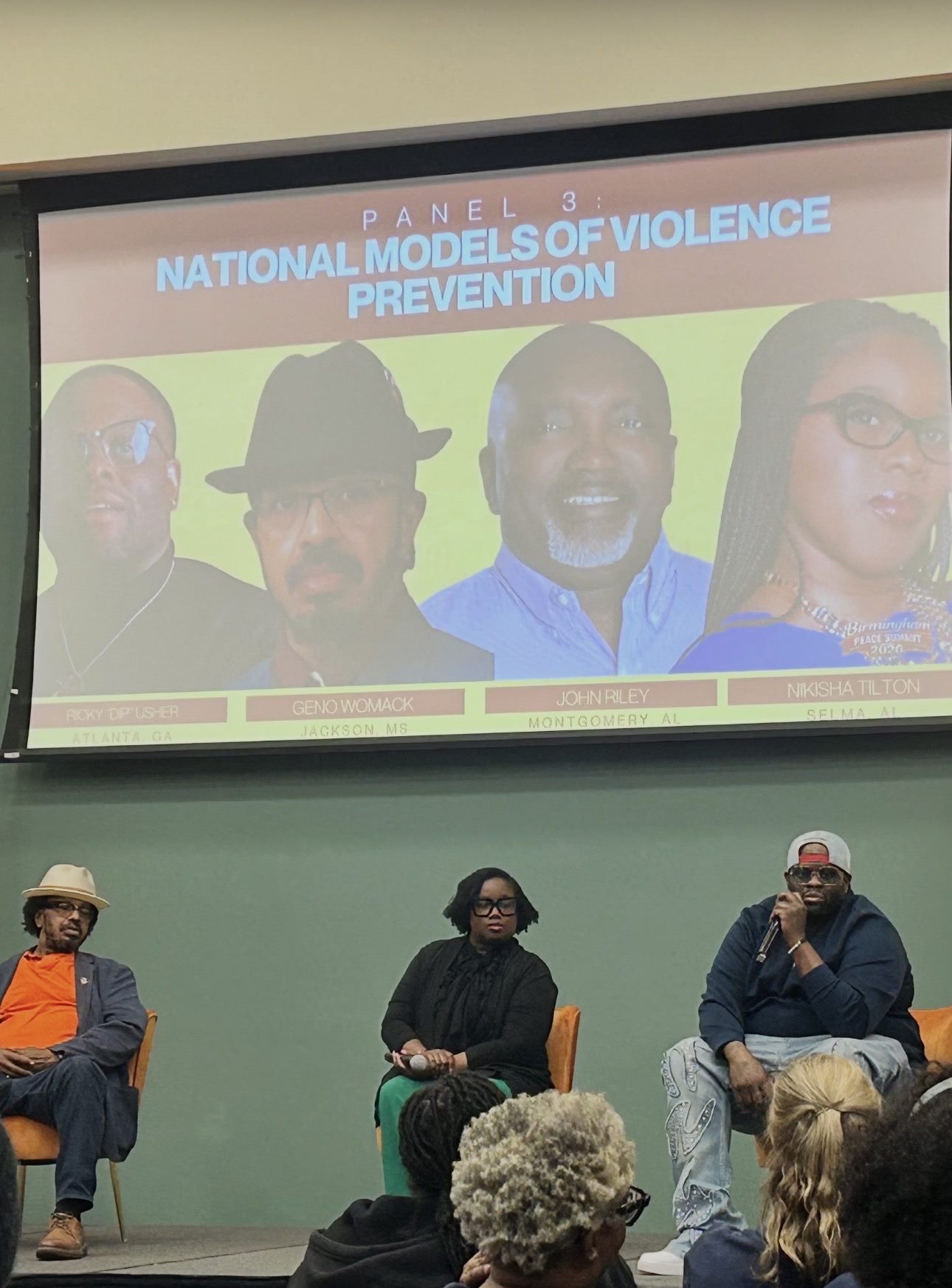
Nikesha Tilton seated on the National Models of Violence Prevention panel with two other panelists in front of a projected slide

“The most meaningful change happens when people are seen, heard, trusted, and invited to shape what comes next.”

Nikesha Tilton The Circle Lady™

Let’s Continue the Conversation.

Whether you’re leading a school, organization, agency, coalition, or community initiative, I’d welcome the opportunity to learn what you’re navigating and explore what might be possible.